
Consumers trust news media despite encountering misleading content online
According to a consumer survey commissioned by Traficom, a significant proportion of consumers trust the content of Finnish news media, and most also trust international news media. Content on social media is trusted considerably less, although it is still often regarded as at least partly reliable. Overall trust remains at a good level, even though large amounts of falsified content and election interference are encountered online.
A total of 79 per cent of consumers completely or mainly trust the content of Finnish news media. Trust is clearly lower in content on social media and instant messaging services. The findings are based on a consumer survey commissioned by the Finnish Transport and Communications Agency Traficom in late 2025.
Trust in the media remains high despite the fact that a large proportion of consumers encounter misleading content online. For example, 81 per cent report having seen falsified images or videos.
“Trust in news media is essential for the functioning of society. At the same time, it is important that people recognise the risks associated with online content and are able to assess the reliability of information,” says Marja Heinonen, Senior Specialist at Traficom.
Trust is highest in news media – only around one in ten consumers trust most social media content
A total of 84 per cent of consumers trust at least one media service. News media is trusted significantly more than content on social media or instant messaging services.
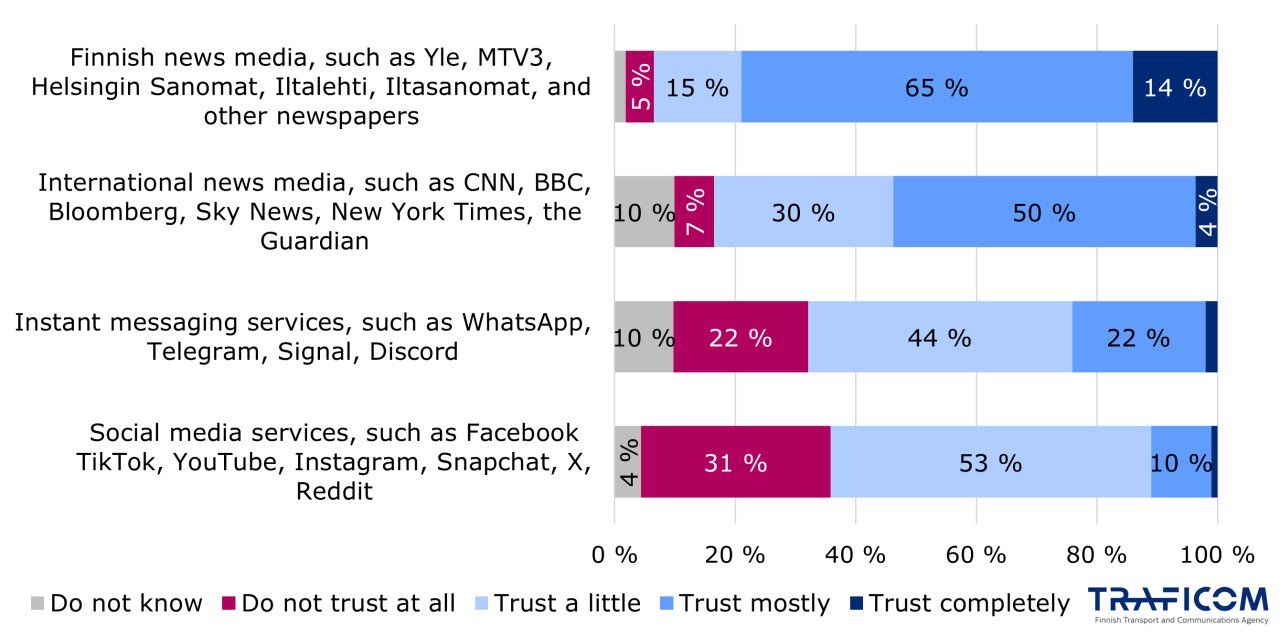
Figure 1. Consumers’ trust in content they see and read across different media.
A total of 79 per cent of respondents completely or mainly trust Finnish news media, and 54 per cent trust international news media. By contrast, only 11 per cent of consumers completely or mainly trust content on social media, while 31 per cent do not trust it at all.
“The differences in trust are partly explained by the fact that content in news media is produced in accordance with journalistic principles, whereas content on social media can be produced by anyone,” Heinonen notes.
Differences between age groups are relatively small in terms of news media. The highest level of distrust in Finnish news media was found among those aged 45–54. Younger people trust social media content somewhat more than older age groups.
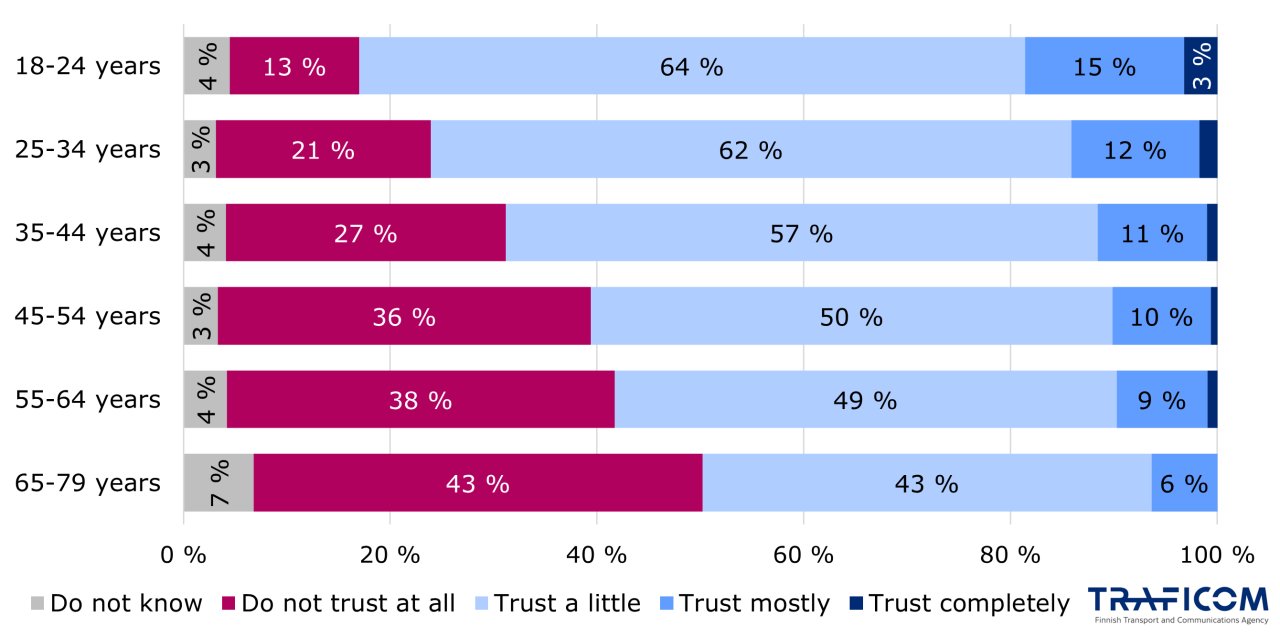
Figure 2. Consumers’ trust in content they see and read on social media services by age group.
Fake news is widely perceived as a threat across all age groups
A total of 44 per cent of consumers consider fake news and inaccurate information to be a significant threat to themselves or their close ones. This view is broadly consistent across all age groups.
Observations of misleading content are widespread. Three in four consumers report having seen falsified images, and two in three so-called deepfake videos. In addition, according to Statistics Finland, 64 per cent have recently encountered suspicious or inaccurate information online.
Assessing the reliability of content can be difficult, particularly when the topic is not familiar.
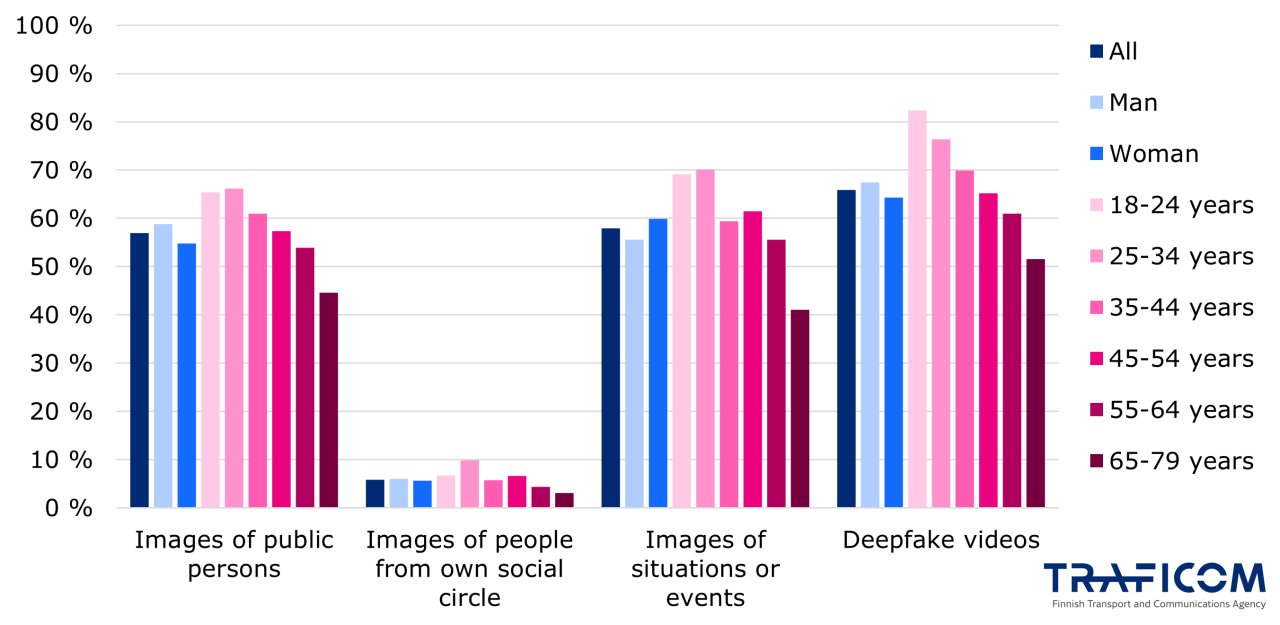
Figure 3. Proportions of consumers who report having seen what they consider to be falsified images or deepfake videos online.
Some consumers report observing election interference
A total of 35 per cent of consumers believe that actors outside Finland have attempted to influence election-related discussions on social media in recent years. One quarter of respondents report having personally observed such attempts.
However, a significant proportion of respondents are unable to assess whether such influence has occurred.
Election interference can be difficult to identify, as normal political discussion and campaigning also take place online at the same time.
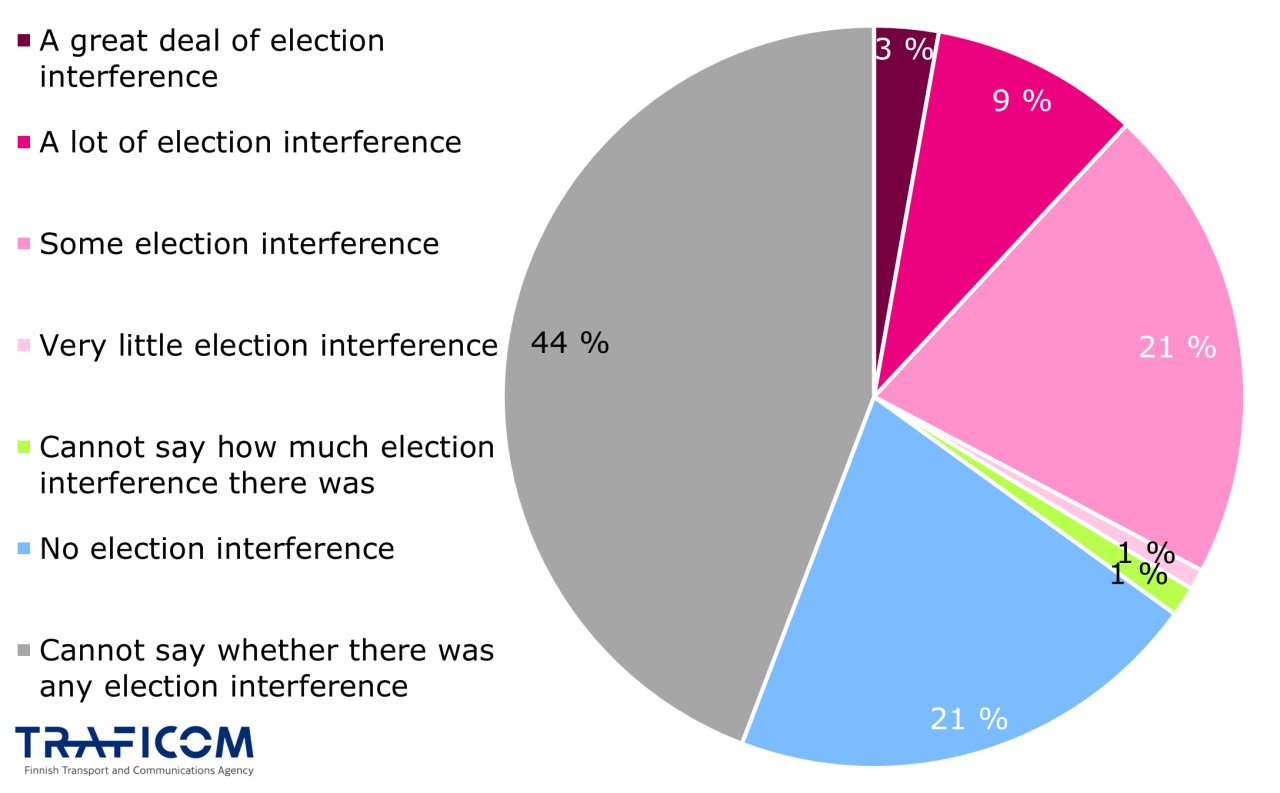
Figure 4. Consumers’ views on whether states or other actors outside Finland sought to influence election-related discussions on social media platforms during elections held in 2024–2025 through misleading or inappropriate means.
Regulation aims to reduce risks
“Traficom is responsible for certain tasks under the European Media Freedom Act and the Digital Services Act. The aim of the regulation is to safeguard media pluralism and reduce risks associated with online platforms, such as the dissemination of illegal content,” says Director Jenni Koskinen.
The Digital Services Act requires very large online platforms to assess and mitigate systemic risks present in their services. “Such risks may include attempts to influence electoral processes or public debate,” Koskinen adds.
The consumer survey was conducted by Bilendi Oy as an online survey among 3,000 respondents aged 18 and over between 28 November and 8 December 2025. The margin of error is ±1.8 percentage points.
Enquiries and more information
Results of the consumer survey in table format Ulkoinen verkkopalvelu.
Statistics Finland (2025): One-half of persons aged 16 to 89 had seen hate speech on the Internet in 2025 Ulkoinen verkkopalvelu.
Statistics Finland: Use of information and communications technology by individuals Ulkoinen verkkopalvelu.
Marja Heinonen, Senior Specialist, tel. +358 29 534 7355, Contact form for statistical data services Ulkoinen verkkopalvelu., marja.heinonen@traficom.fi