
Finnish aviation safety programme | Traficom
Transport and Communications Agency

Finnish aviation safety programme

Safety and passenger confidence in the air transport system are key objectives in Finnish aviation safety policy.
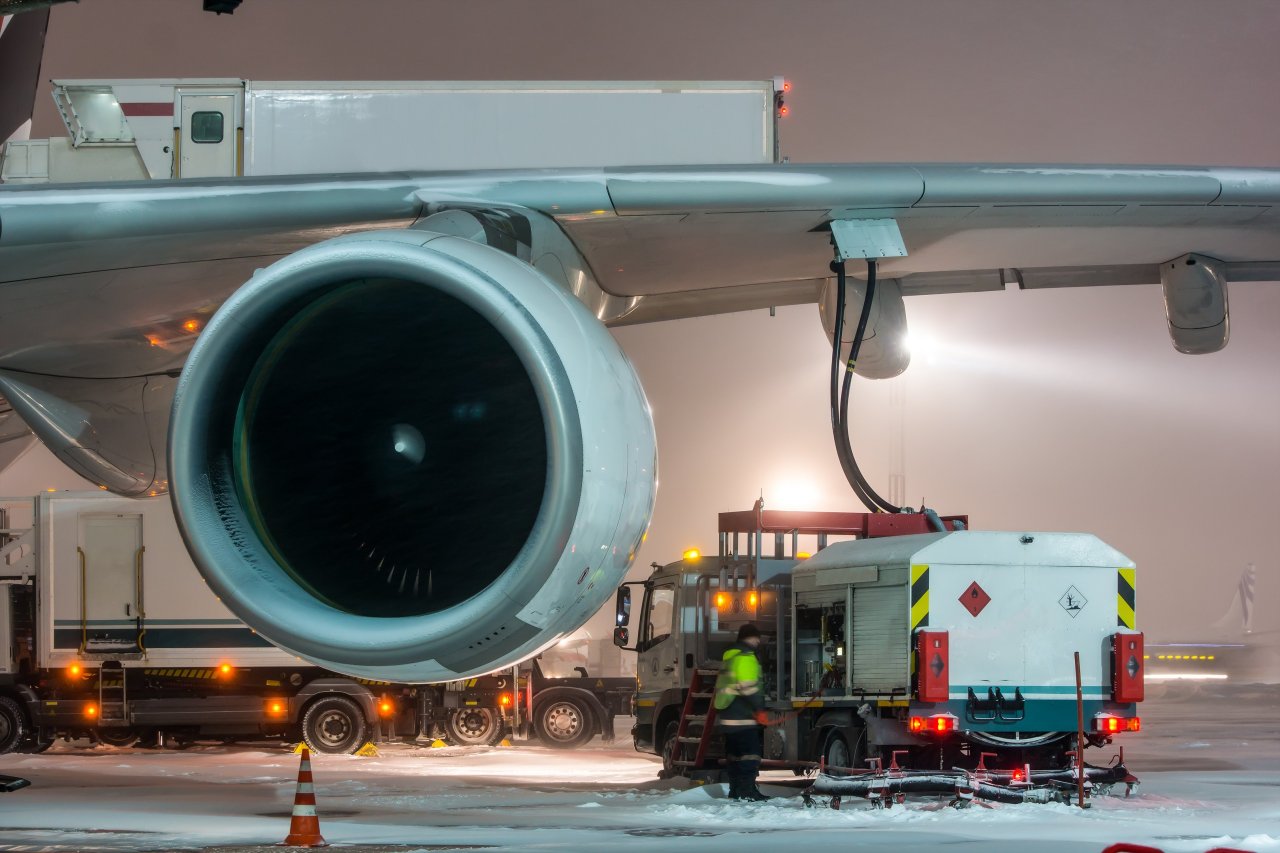
The aviation safety programme, plan for aviation safety and safety performance indicators and targets are advanced safety management mechanisms at the national level. They help us respond to the challenges of the diverse aviation system and strengthen the resilience of Finland’s aviation system.  Well-functioning safety management structures maintain our high level of safety and ensure safety operations also in rapidly or slowly changing situations.

- On 8 December 2025, version 9.0 of the Finnish Aviation Safety Programme (FASP) was released. You can find the publication on The Finnish FASP web pages. Link to publication notice here. FASP 9.0 is currently being translated into English. The translation will be published shortly on these pages.

- The latest Finnish plan for aviation safety FPAS 2025 was published in Finnish on 1st of April 2025. The Finnish version is available in Suomen ilmailun turvallisuussuunnitelma web page. English version was published on 29th April 2025 and it is available in Finnish Plan for Aviation safety FPAS web page.

- On 21 January 2025, EASA has published an annual update of the European Plan for Aviation Safety (EPAS). Link to EPAS 2025 here. The Finnish Aviation Safety Plan (FPAS) is currently being updated based on EPAS and the national aviation risk picture.

- Updated version 6.0 for FASP Annex 2: Finnish aviation safety objectives and safety performance targets and indicators (SPT, SPI), was published 1st January 2024, and is in force from 1 February 2024. The Finnish version can be found in Finnish Suomen ilmailun suorituskykymittarit ja -tavoitteet web pages.

- Updated Finnish version 8.0 for Finnish Aviation Safety Programme FASP was published in 4th October 2022 in Finnish and can be found from Suomen ilmailun turvallisuusohjelma web page. The English version was published in 10th October 2022 and can be found from this web page. 

NOTE: the updated safety policy from FASP version 9.0 is currently currently being translated into English. Below you can see the English translation of the Finnish aviation safety policy from the previous FASP version 8.0. 

In international civil aviation, safety and safeguarding aviation have been set as the highest goal of joint agreements and regulations. Finland’s civil aviation authority Traficom is committed to maintaining and developing the national aviation safety programme. Traficom considers it particularly important that flight safety remains good and citizens retain a high level of confidence in the air transport system. In the aviation system, confidence is based on the pillars of safety, security, cybersecurity, health security and environmental friendliness. The parties involved in the system must also ensure the economy, reliability and precision of operations to enable smooth travel chains supporting the accessibility of Finland. They also have to make sure that new technologies and operating models are safely integrated into the aviation system taking into account the strengths and limitations of human factors and technology. The parties must also guarantee that operations remain safe even in the event of major changes in the operating environment and ensure efficient change and risk management.   

Aviation in Finland complies with ICAO and EU requirements. Traficom specifies strategic safety objectives and an acceptable level of safety for Finnish aviation, taking into account the safety objectives set at EU level, local conditions and the safety themes that have emerged in the context of risk management in Finnish aviation. Traficom and aviation organisations must aim to achieve the objectives and the required level of safety in their practical operations.

The continuous development of safety management and a good safety culture, a performance- and risk-based approach and the organisations’ responsibility for the safety of their own activities are the cornerstones of Finnish aviation safety. Traficom oversees and promotes their realisation.

Traficom ensures and promotes the realisation of 'just culture'. In the Finnish aviation system, just culture involves defining and communicating acceptable and unacceptable operating methods and practices, promoting a climate of confidence and fairness and complying with the principles of just culture in practice. It also includes addressing unacceptable practices in cases referred to in Article 16(10) of the Occurrence Regulation. Traficom promotes good reporting culture and safeguards the confidentiality and appropriate use of information on occurrences and the protection of information sources in accordance with Articles 15 and 16 of the Occurrence Regulation. 

Traficom maintains the expertise required by the duties of aviation authorities. This is supported by continuous training and international cooperation.

Note: More information on just culture, see: https://www.traficom.fi/fi/liikenne/ilmailu/just-culture-oikeudenmukainen-kulttuuri

NOTE: the updated safety policy from FASP version 9.0 is currently currently being translated into English. Below you can see the English translation of the Finnish aviation safety objectives from the previous FASP version 8.0. 

  • The safety of Finnish aviation remains at a high level. There are no aviation accidents where the reasons are caused by the Finnish aviation system.
  • Continuous development of the safety performance of Finnish aviation operators in all aviation domains.
  • Key threats of Finnish aviation (safety, security, cybersecurity, health security) have been identified and they are addressed in the organisations’ safety management. The special conditions in Finland, such as winter conditions, are taken into account in the work.
  • Risk management (safety, security, cybersecurity, health security) in Finnish aviation is systematic, effective and in constant development.
  • The aviation risk management by Traficom and aviation organisations also includes the management of cybersecurity risks.
  • Unmanned aviation is safely integrated into the Finnish aviation system. Unmanned aviation operators know the requirements related to their operations and are responsible for the safety of their activities. Authorities will intervene in infringing activities.
  • The runway safety of Finnish aviation remains at a high level.
  • Reactivity: Traficom and aviation organisations actively react to the deficiencies identified and implement corrective measures in the spirit of continuous improvement.
  • The safety standards and procedures observed in Finnish aviation comply with ICAO standards and EU requirements.
  • Safety culture in Finnish aviation is at a good level. Good safety culture, just culture and good reporting culture are maintained and developed.
  • New technologies are promoted andsafely integrated into the aviation system based on a balanced approach taking into account the strengths and limitations of human factors.
  • Finland is an active cooperation partner in international forums. Finland works for its part to ensure that safety remains at a good level and promotes safety-enhancing measures.

Acceptable levels of safety and safety performance as well as monitoring the realisation of safety objectives have been described in FASP version 8.0 section 3.3.

Finnish Aviation Safety Programme FASP

On 8 December 2025, version 9.0 of the Finnish Aviation Safety Programme (FASP) was released. You can find the publication on . . FASP 9.0 is currently being translated into English. The translation will be published shortly on these pages.

The previous version 8.0 for Finnish Aviation Safety Programme FASP was published in 4th October 2022. English version was published in 10th October 2022 and can be found from this web page until the translation of the version 9.0 will be published. 

What is FASP?

Finnish Aviation Safety Programme (FASP) is the national-level description of our aviation safety management system. FASP consists of four sectors, which also include ICAO's eight critical elements for safety that ICAO requires States to manage effectively. These sectors are:

  1. Finnish aviation safety policy, objectives and resources 
  2. Safety risk management
  3. Safety assurance
  4. Safety promotion

FASP has two annexes: Annex 1, Finnish Plan for Aviation Safety and Annex 2, Finnish aviation safety objectives and safety performance indicators and targets. FASP has been published since 2012. Any need for updating the FASP and its annexes is reviewed once a year.

Why FASP?

Safety management mechanisms comprise system-level methods used to maintain and improve aviation safety at the international, national and organisation level. State Safety Programmes (SSP), like FASP for Finland, are a national-level safety management element. Via FASP and it’s annexes, national aviation safety is management in a coordinated and systematic way and a national aviation safety policy is implemented into everyday safety work.

Responsibilities related to FASP and its annexes

Obligations for State Safety Programmes and plans come from EU regulations, ICAO Annex 19 and the Finnish Aviation Act. Traficom is responsible for preparing, adopting and maintaining FASP and its annexes.

Aviation operators and service providers are responsible for the safety of their own operations. They must take the Finnish Aviation Safety Programme and its annexes  into account in their operations and monitor the achievement of the objectives.

Please note:

Note that the translation below is the previous version 8.0. The updated version 9.0 is currently being translated into English and will be released in the near future. You can find the Finnish version 9.0 on the Finnish FASP pages.

Contact details for more information about Finnish aviation safety programme, plan and safety performance targets & indicators

Heli Koivu, Chief adviser, SSP, SPAS/NASP focal point
e-mail: heli.koivu(at)traficom.fi

Finnish aviation safety - monitoring information available

Monitoring information about Finnish aviation safety is available in Data.Traficom web pages

In addition to ICAO and EASA web pages, safety management guidance can also be found for example from web pages below:

Skybrary - Safety ManagementSkybrary - SM ICG Safety Management Products
Page was last updated